Speckled Alder
- Feb 8
- 3 min read
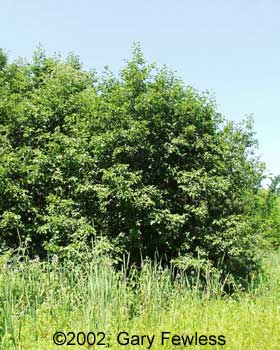
Speckled Alder (Alnus incana var. rugosa) is a remarkable plant that thrives in wet environments and offers significant benefits to both the landscape and local wildlife. If you live in Sheboygan or nearby areas, understanding how this native species supports your local ecosystem can help you make informed choices for your garden or land management projects.








What Makes Speckled Alder Special
Speckled Alder often grows along streams, swamps, and wet meadows where soil tends to be moist or even flooded at times. Unlike many plants, it improves the soil by fixing nitrogen, a vital nutrient that supports the growth of surrounding plants. This natural fertilization process means Speckled Alder not only survives in challenging conditions but also helps other plants thrive nearby.
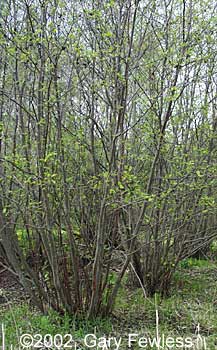
In the wild, it usually appears as a multi-stemmed shrub, but gardeners can train it into a small tree by pruning suckers and lower branches. It grows quickly, reaching heights between 15 and 25 feet, with a spread of 6 to 15 feet. This fast growth makes it a practical choice for projects needing quick results.
Ideal Growing Conditions
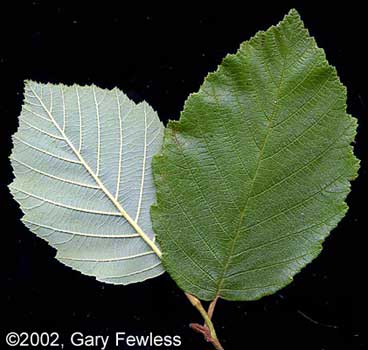
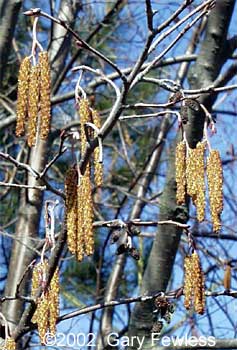
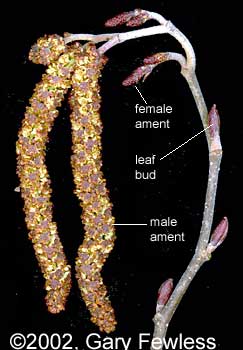
Speckled Alder prefers moist to wet, well-drained soils and tolerates clay and occasional flooding. It grows well in full sun to partial shade, making it adaptable to various light conditions typical of wetland edges or shaded stream banks. It blooms in early spring, producing catkins in March and April, and its dark green foliage remains vibrant through the growing season.
Practical Uses in Sheboygan Landscapes
Erosion Control
One of the most valuable uses of Speckled Alder is controlling erosion along riverbanks and wet slopes. Its dense root system holds soil firmly in place, reducing sediment runoff into waterways. If you have a property near a stream or pond, planting Speckled Alder can protect your shoreline from washing away during heavy rains or floods.
Soil Improvement
Because it fixes nitrogen, Speckled Alder is excellent for restoring depleted or poor soils. If you have a wet area where other plants struggle, introducing Speckled Alder can jump-start soil health and encourage a more diverse plant community.
Wetland and Streamside Gardens
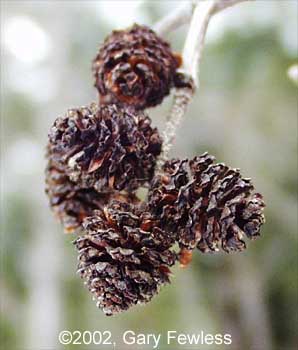
For gardeners interested in creating naturalized wetland areas or enhancing existing water features, Speckled Alder fits perfectly. It thrives in wet soil and supports local wildlife by providing shelter and food. Birds and small mammals often use the shrub for cover, while its winged nutlets serve as a food source.
Floating Eco-Islands
A unique application of Speckled Alder is in floating eco-islands—small gardens built on water bodies like ponds or lakes. Since it tolerates occasional flooding and improves soil nutrients, it helps maintain these floating habitats, which can improve water quality and provide habitat for aquatic life.
How to Care for Speckled Alder
Water: Keep soil consistently moist, especially during establishment.
Pruning: Remove suckers and lower branches to shape it into a tree form if desired.
Sunlight: Plant in full sun to partial shade for best growth.
Soil: Tolerates clay and wet conditions but prefers well-drained soil.
Supporting Local Ecosystems
Speckled Alder plays a crucial role in maintaining healthy ecosystems in Sheboygan. By planting it, you contribute to soil health, reduce erosion, and provide habitat for wildlife. Its ability to thrive in wet conditions makes it a natural choice for areas where other trees may struggle.
If you want to improve a wet or flood-prone area on your property, consider Speckled Alder as a practical and environmentally friendly solution. Its fast growth and ecological benefits make it a valuable addition to any wetland restoration or naturalized garden project.


Comments