Red Pine
- Feb 8
- 2 min read
Red Pine, also known as Norway Pine, is a striking evergreen native to northern Wisconsin, the Midwest, the northeastern United States, and Canada. This tree thrives in acidic, sandy soils often found on hills, slopes, and plains. Its distinctive reddish-brown bark and paired needles make it easy to identify. For Sheboygan residents interested in local flora or landscaping with native species, understanding Red Pine’s characteristics and growth needs can help you appreciate this resilient tree or consider it for your outdoor space.




Identifying Red Pine
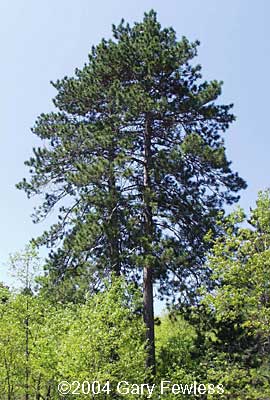
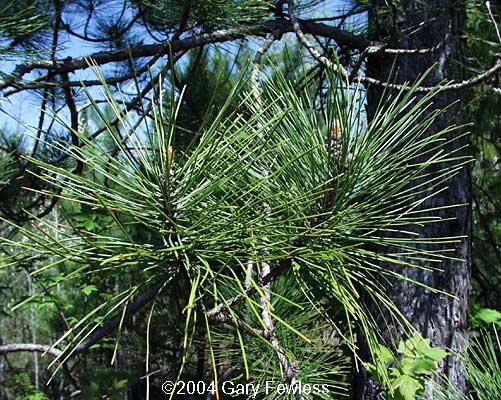
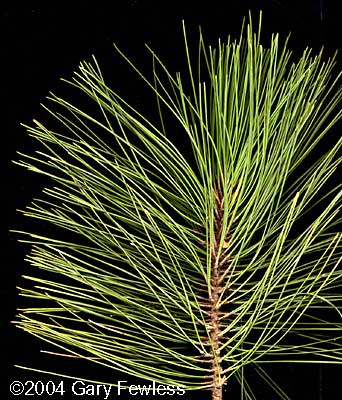
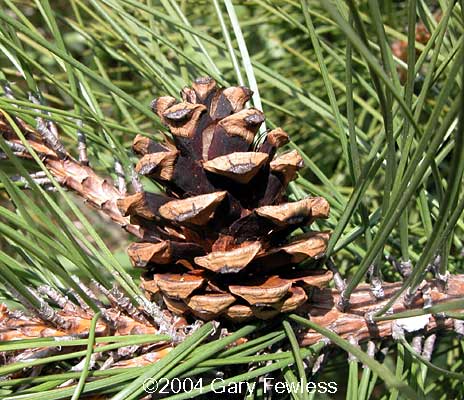
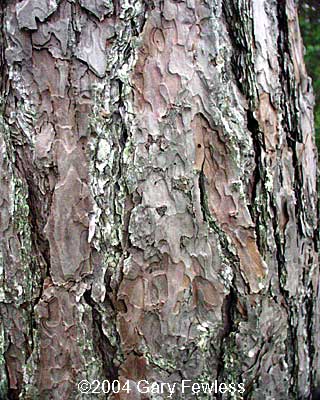
Red Pine stands out with its reddish-brown, flaky bark that forms plates along the trunk and branches. The needles grow in pairs, each about 4 to 6 inches long, and tend to cluster mostly at the tips of branches. Unlike some other pines, Red Pine cones lack the sharp spines often seen on pinecones. Compared to Eastern White Pine, Red Pine needles feel firmer and grow in softer bunches concentrated at branch ends.
Here are some key features to recognize Red Pine:
Needles: Groups of two, 4-6 inches long, green and firm
Bark: Reddish-brown, flaky, plated texture
Cones: About 2 inches long, smooth without spines
Height: Mature trees reach 50-80 feet tall
Spread: Typically 20-25 feet wide
Growing Conditions and Habitat
Red Pine prefers well-drained, acidic soils and thrives in full sun. It grows best in sandy, nutrient-poor soils where competition from other species is limited. This tree is intolerant of shade and does not compete well with more aggressive species like Aspen or Eastern White Pine. As a result, you’ll often find Red Pine in pure stands, especially in areas cleared by fire or other natural disturbances.
This species is hardy to USDA zone 2, making it well-suited to the cold winters of northern Wisconsin and Canada. It tolerates harsh environments better than many other trees but struggles in hotter, humid climates where pests and diseases become more common.
Uses and Landscape Value
Red Pine’s pyramidal shape and evergreen foliage make it a handsome addition to natural landscapes and large properties. Because it grows naturally in less fertile soils, it can be a good choice for areas where other trees might struggle. It also plays an important ecological role in stabilizing sandy soils and providing habitat for wildlife.
For Sheboygan residents, planting Red Pine can support local biodiversity and maintain the natural character of the region. However, it is not typically recommended for urban street planting due to its intolerance of shade and competition.
Care Tips for Red Pine
If you decide to plant Red Pine, keep these points in mind:
Choose a sunny location with well-drained, acidic soil
Avoid planting near more aggressive, shade-producing trees
Expect moderate growth rate; trees reach full size in several decades
Monitor for pests if planted outside its native cool climate
With proper site selection, Red Pine can thrive with minimal maintenance and provide long-lasting greenery.


Comments