Northern Blue Flag
The Northern Blue Flag is a striking wildflower native to Wisconsin, known for its vibrant blue petals and graceful presence in wetland areas. For residents of Sheboygan and surrounding communities, this plant is a familiar sight during late spring and early summer. Understanding the Northern Blue Flag’s characteristics, habitat, and role in local ecosystems can deepen appreciation for Wisconsin’s natural beauty.
What Is the Northern Blue Flag?
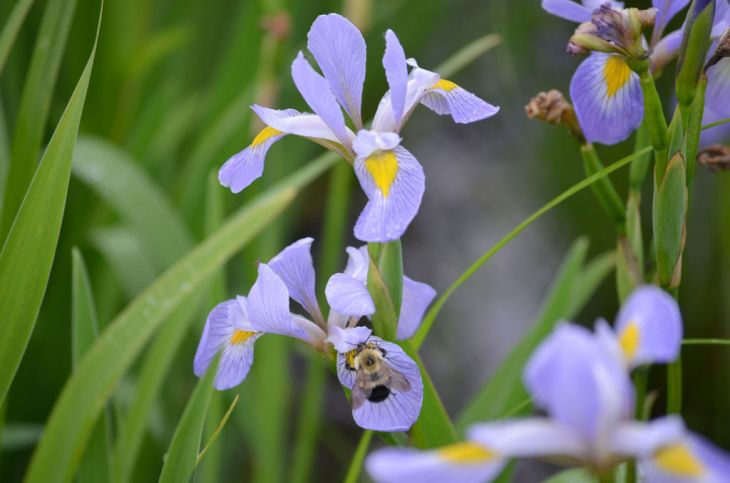
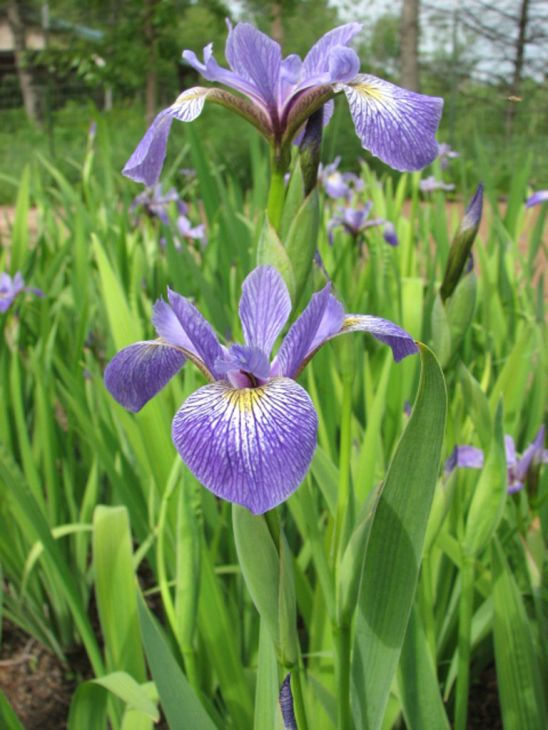
The Northern Blue Flag (Iris versicolor) is a species of iris that thrives in moist environments such as marshes, wet meadows, and along the edges of lakes and streams. It grows from a rhizome and typically reaches heights of 2 to 3 feet. The flower’s petals display a rich blue to violet color with delicate yellow markings near the center, making it easy to identify.
This plant blooms from May through July, adding a splash of color to Wisconsin’s wetlands. Its name “blue flag” comes from the shape of its petals, which resemble flags waving in the breeze.
Habitat and Growing Conditions
Northern Blue Flag prefers wet, acidic soils and is commonly found in low-lying areas where water collects. In Sheboygan County, you can spot it in natural preserves, along riverbanks, and in wetland restoration sites. The plant plays an important role in these habitats by:
Stabilizing soil and preventing erosion
Providing shelter and food for pollinators like bees and butterflies
Supporting wetland biodiversity
If you want to see Northern Blue Flag in its natural setting, visit local parks such as the Kohler-Andrae State Park or the Sheboygan Marsh Wildlife Area during the blooming season.
How to Identify Northern Blue Flag
When looking for Northern Blue Flag, keep an eye out for these features:
Leaves: Long, sword-shaped, and green, growing in a fan-like arrangement
Flowers: Three large, drooping petals with blue to violet hues and yellow markings
Height: Usually between 2 and 3 feet tall
Stem: Smooth and erect, supporting one to several flowers
These characteristics distinguish it from other iris species and wildflowers in the region.
Importance to Local Ecosystems
Northern Blue Flag supports local ecosystems by attracting pollinators, which are essential for plant reproduction. Bees, butterflies, and hummingbirds visit the flowers to collect nectar, helping maintain healthy populations of native plants. Additionally, the plant’s dense root system helps filter water and improve wetland quality.
For Sheboygan residents interested in conservation, protecting areas where Northern Blue Flag grows helps preserve the natural balance and beauty of Wisconsin’s wetlands.
Growing Northern Blue Flag at Home
If you have a garden with a wet or boggy area, Northern Blue Flag can be a beautiful addition. It requires:
Consistently moist soil
Partial to full sunlight
Space to spread, as it can form clumps over time
Planting Northern Blue Flag near a pond or rain garden can enhance your outdoor space while supporting local wildlife.


Comments