New England Aster
New England Aster, scientifically known as Symphyotrichum novae-angliae, is a striking wildflower native to Wisconsin and many parts of the northeastern and midwestern United States. This vibrant plant brightens late summer and fall landscapes with its clusters of purple flowers, making it a favorite among gardeners and nature lovers in Sheboygan and beyond. Understanding its characteristics and benefits can help residents appreciate and even cultivate this beautiful native species.
Characteristics of New England Aster
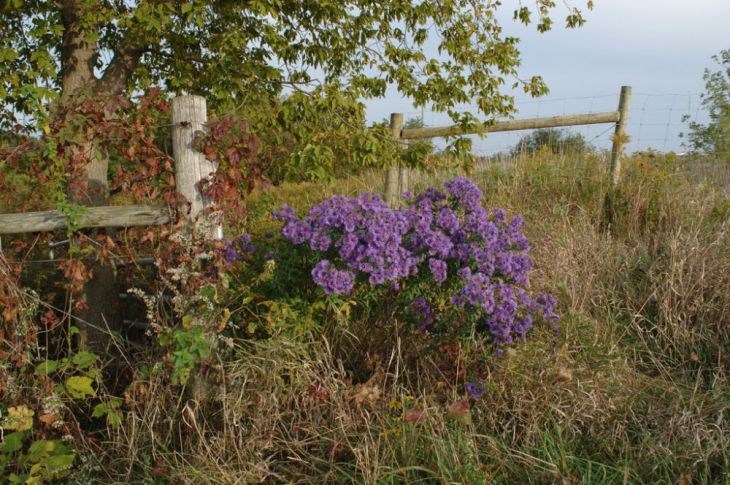
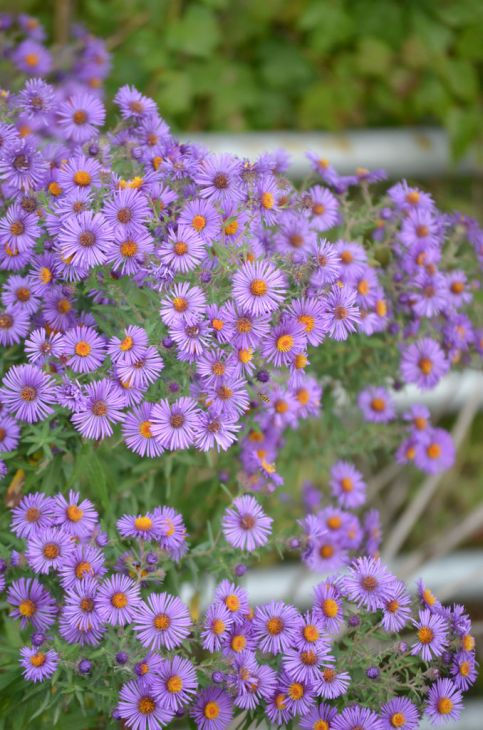
New England Aster typically grows between 3 to 6 feet tall, with sturdy stems covered in narrow, lance-shaped leaves. The plant produces dense clusters of daisy-like flowers, usually in shades of purple or lavender, with bright yellow centers. These blooms appear from late August through October, providing color when many other plants have finished flowering.
The plant thrives in full sun and prefers moist, well-drained soils but can tolerate a range of conditions. It often grows in prairies, meadows, and along roadsides in Wisconsin, making it a common sight in natural areas around Sheboygan.
Importance for Local Wildlife
One of the most valuable features of New England Aster is its role in supporting local ecosystems. The flowers attract a variety of pollinators, including bees, butterflies, and moths. Monarch butterflies, in particular, rely on asters as a nectar source during their fall migration. By planting New England Aster in gardens or community spaces, Sheboygan residents can help sustain these important pollinators.
Additionally, the seeds of the New England Aster provide food for birds during the colder months. This makes the plant a useful addition to wildlife-friendly gardens, supporting biodiversity throughout the year.
Growing New England Aster in Sheboygan
For those interested in adding New England Aster to their gardens, the plant is relatively easy to grow and maintain. Here are some practical tips:
Planting time: Early spring or fall is ideal for planting seeds or young plants.
Sunlight: Choose a spot with full sun to ensure the best flowering.
Soil: While the plant prefers moist soil, it can adapt to drier conditions once established.
Watering: Regular watering helps young plants get established, but mature asters are drought-tolerant.
Spacing: Allow about 18 to 24 inches between plants to give them room to grow.
Maintenance: Cut back the stems after flowering to encourage healthy growth the next season.
By following these guidelines, gardeners in Sheboygan can enjoy a vibrant display of New England Aster flowers each fall.
Benefits Beyond Beauty
Besides its visual appeal and ecological value, New England Aster has been used historically in traditional medicine by Native American tribes. While modern use is limited, the plant’s presence in natural areas contributes to the cultural heritage of the region.
Moreover, planting native species like New England Aster helps reduce the need for fertilizers and pesticides, supporting sustainable gardening practices. This aligns well with community efforts in Sheboygan to promote environmentally friendly landscaping.


Comments