Large-Flowered Beardtongue
The Large-Flowered Beardtongue is a striking native plant found in Wisconsin, including areas around Sheboygan. Known for its beautiful blooms and ecological benefits, this wildflower adds color and life to local landscapes. Understanding its characteristics and how it fits into Wisconsin’s natural environment can help residents appreciate and protect this unique species.

What Is Large-Flowered Beardtongue?
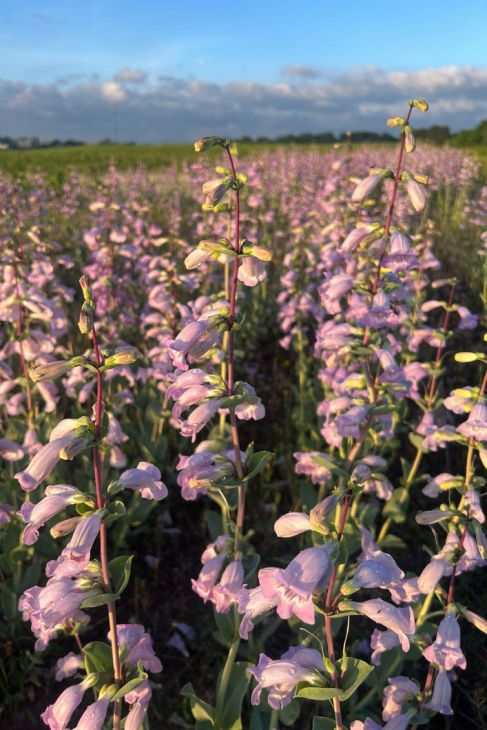
Large-Flowered Beardtongue, scientifically known as Penstemon grandiflorus, is a perennial wildflower native to the prairies and open woodlands of the Midwest. It stands out with its tall stems and large, tubular flowers that range in color from soft pink to lavender. The flowers have a distinctive beard-like tuft inside the throat, which gives the plant its common name.
This plant typically grows between 2 to 4 feet tall and blooms in late spring through early summer. Its large flowers attract a variety of pollinators, including bees, butterflies, and hummingbirds, making it an important part of the local ecosystem.
Habitat and Growing Conditions in Wisconsin
In Wisconsin, Large-Flowered Beardtongue thrives in well-drained soils, often found in prairies, open fields, and along roadsides. It prefers full sun but can tolerate partial shade. The plant is drought-tolerant once established, which makes it suitable for natural landscaping and restoration projects.
For Sheboygan residents interested in native gardening, Large-Flowered Beardtongue is a great choice. It supports local wildlife and requires minimal maintenance. Planting it in your garden can help preserve native biodiversity and reduce the need for watering and fertilizers.
Benefits of Large-Flowered Beardtongue
Supports Pollinators: The large flowers provide nectar for bees, butterflies, and hummingbirds, helping sustain these important species.
Erosion Control: Its deep root system stabilizes soil, preventing erosion in open areas.
Low Maintenance: Once established, it needs little care, making it ideal for natural gardens.
Aesthetic Appeal: The tall, colorful blooms add visual interest to any landscape.
How to Grow and Care for Large-Flowered Beardtongue
If you want to add Large-Flowered Beardtongue to your garden, start by choosing a sunny spot with well-drained soil. Here are some tips:
Planting: Sow seeds in the fall or early spring. Seeds need cold stratification to germinate well.
Watering: Water regularly until the plant is established. After that, it tolerates dry conditions.
Maintenance: Cut back dead stems after flowering to encourage new growth.
Avoid Overcrowding: Space plants about 12 to 18 inches apart to allow airflow.
By following these steps, you can enjoy vibrant blooms and contribute to local conservation efforts.
Large-Flowered Beardtongue in Local Ecosystems
This plant plays a key role in Wisconsin’s prairie ecosystems. It provides food and habitat for native insects and birds. Protecting areas where Large-Flowered Beardtongue grows naturally helps maintain the balance of these ecosystems.
Local conservation groups often include Large-Flowered Beardtongue in prairie restoration projects. Residents can support these efforts by planting native species and avoiding invasive plants that threaten natural habitats.


Comments