Jack Pine
- Feb 8
- 2 min read
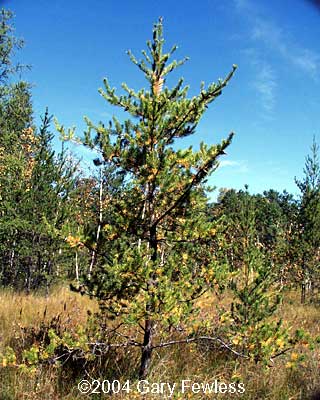
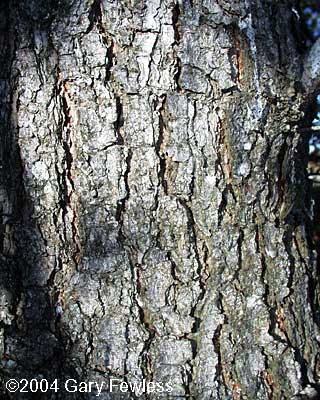
Jack Pine (Pinus banksiana) stands out as one of Wisconsin’s three native pine species, playing a unique role in the state’s northern dry forests, sandy plains, and savannas. This coniferous tree can grow up to 50 feet tall, starting with an open and straggly shape in youth and maturing into a more upright form with irregularly spreading branches and grayish-brown scaly bark. Despite its resilience, the Jack Pine population in Wisconsin has steadily declined since the early 1980s, largely due to its value as a timber species.




Characteristics of Jack Pine
Jack Pine thrives in specific conditions that suit its growth and survival:
Category: Conifer
Native to Wisconsin: Yes
USDA Hardiness Zone: Up to zone 2, making it very cold-hardy
Mature Height: 35 to 50 feet
Mature Spread: 20 to 30 feet
Growth Rate: Moderate
Growth Form: Upright, with branches becoming irregularly spread as the tree ages
Light Requirements: Full sun
Soil Requirements: Prefers sandy, well-drained soils
Flowering: Insignificant, no noticeable bloom period
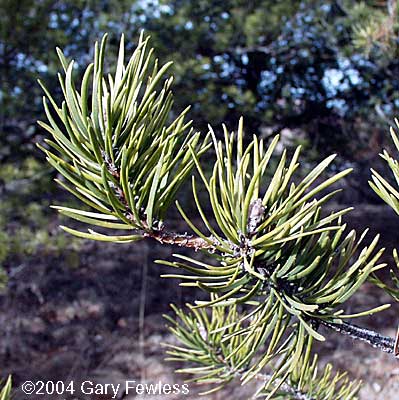
Foliage: Green year-round
Fall Color: None
Urban Use: Not recommended for urban planting
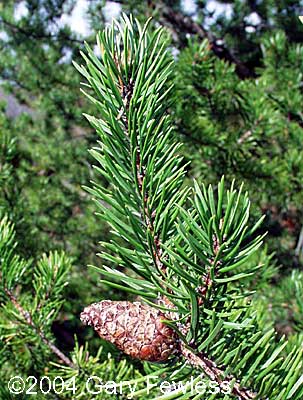
Fruit: Monoecious, with male and female cones on the same tree. Male cones are about ½ inch long, while female cones range from 1.5 to 2 inches. The cones start green and mature to brown over two years.
Habitat and Range
Jack Pine’s native range is primarily in Canada, especially Ontario. However, the largest areas of Jack Pine in the United States are found in Wisconsin, Minnesota, and Michigan. In Wisconsin, it grows mainly on sandy soils that are dry and well-drained. The tree’s ability to thrive in these lean soils adds character and ecological value to the landscape.
Small populations exist in northern Illinois, where Jack Pine is listed as an endangered species. In Wisconsin, it contributes to the unique ‘scrub’ ecosystems alongside species like Northern Pin Oak. These ecosystems support diverse wildlife and are adapted to periodic fires, which help maintain the health and regeneration of Jack Pine stands.
Importance and Uses
Jack Pine is an important timber species, which has contributed to its population decline in Wisconsin since 1983. In 2013, it accounted for 13.5 million cubic feet of roundwood production in the state, highlighting its economic significance. Beyond timber, Jack Pine supports wildlife by providing habitat and food sources, especially through its cones.
Its scrubby nature and fire-adapted traits make Jack Pine valuable for maintaining natural landscapes in Wisconsin’s sandy regions. It can be a useful species for landowners interested in restoring native habitats or managing fire-adapted ecosystems.
Growing Jack Pine in Wisconsin
If you are considering planting Jack Pine, keep in mind its preference for:
Sandy, well-drained soils
Full sun exposure
Space to grow upright with irregular branches
Avoid planting Jack Pine in urban areas, as it does not perform well in compacted or nutrient-rich soils typical of cities. Instead, it fits best in natural or semi-natural settings where its ecological role can be fully appreciated.


Comments